
Hawaiʻi

Hawaiʻi is a U.S state in the central Pacific Ocean. The Pae ʻĀina o Hawaiʻi, or the Hawaiian Archipelago, consists of 8 main islands: Hawaiʻi, Oʻahu, Maui, Kauaʻi, Molokaʻi, Lānaʻi, Niʻihau, and Kahoʻolawe, as well as 124 smaller islands. [1] The islands form a combined landmass area of 6,422 mi2 (16633 km2). [2] The Northwestern Hawaiian Islands make up Papahānaumokuākea, which was recently designated as a national marine sanctuary.
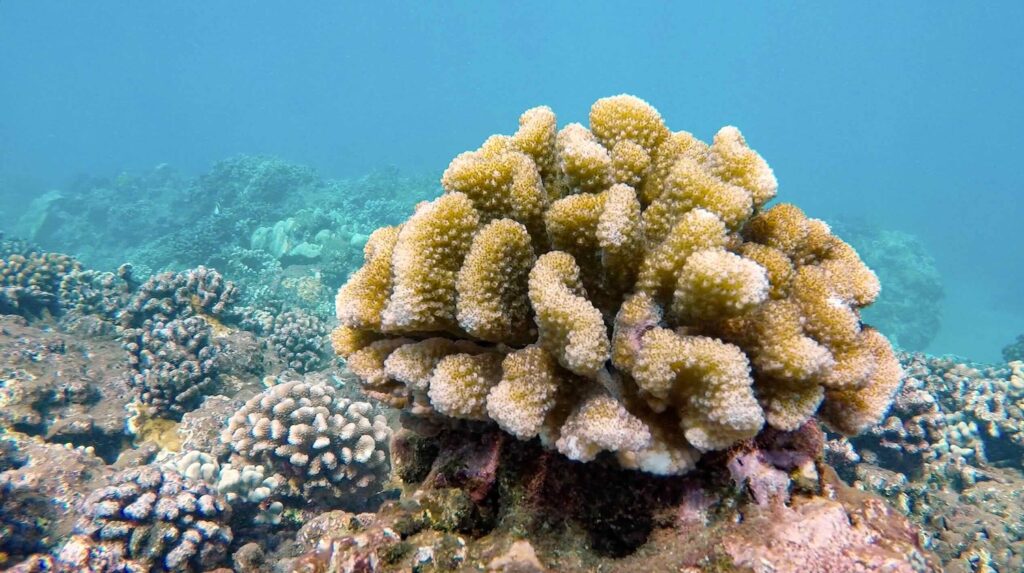
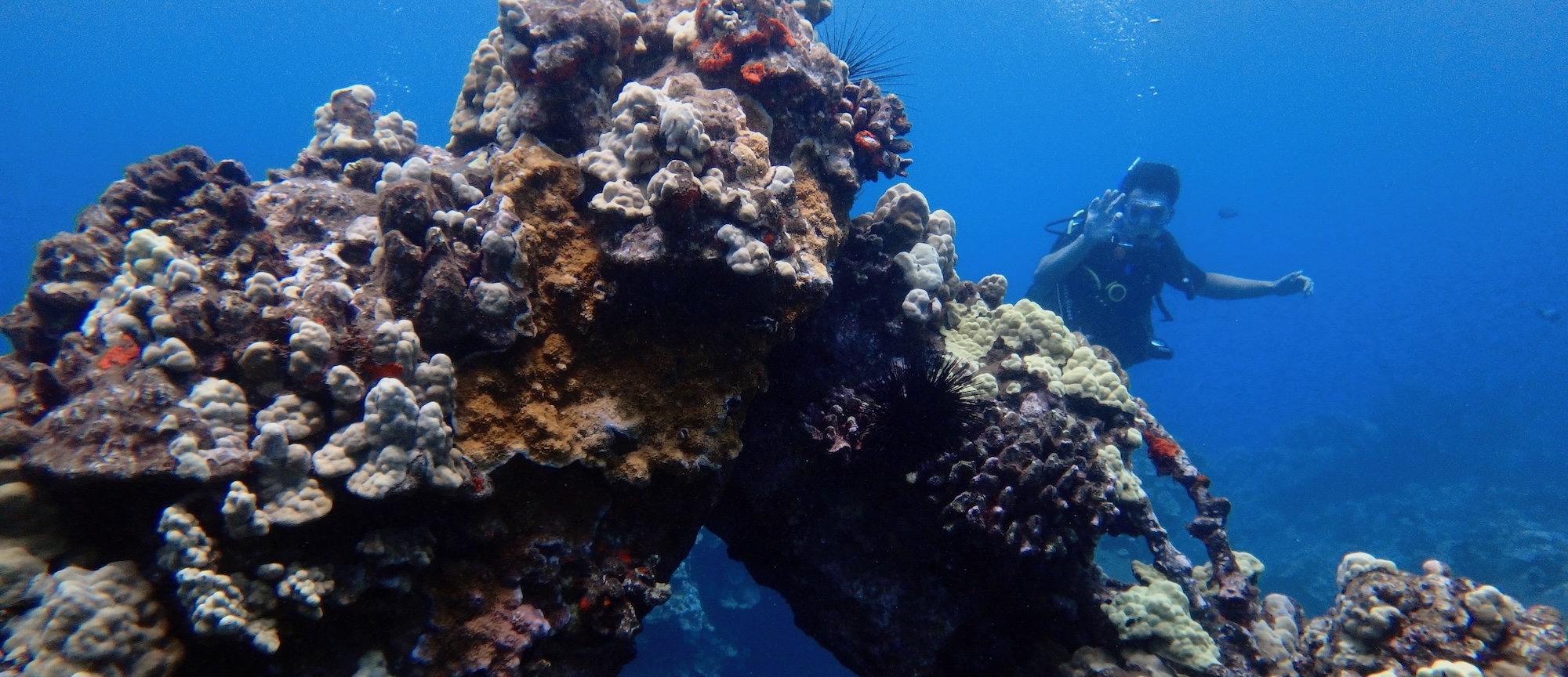
The waters of Hawaiʻi host approximately 640 mi2 (1658 km2) of coral reef in the main islands alone. [3] Hawaiʻi has fringing and barrier reef types. [1]

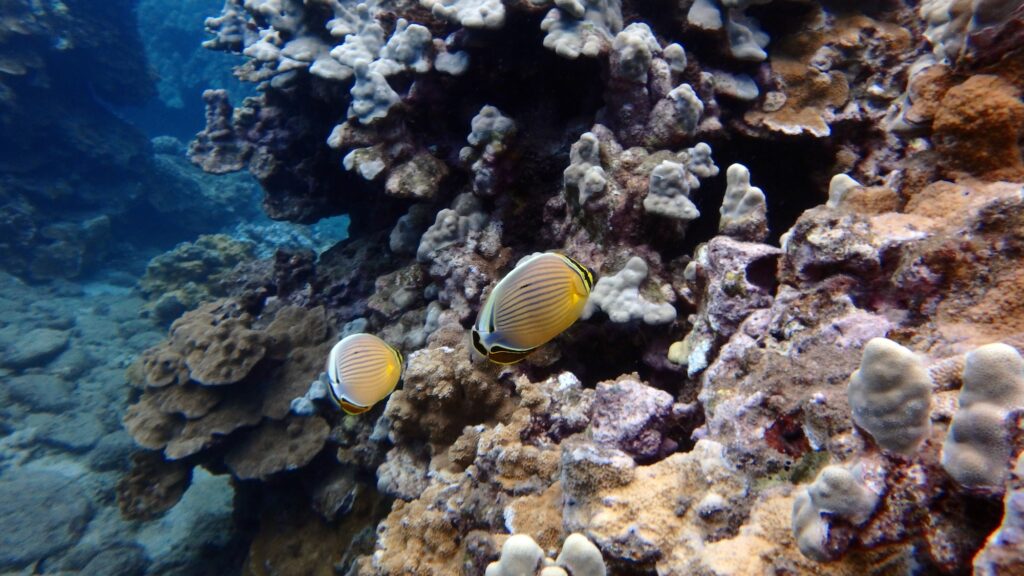
Hawaiʻi’s reefs are home to
80 coral species [4]
1500+ reef fish species [5]
1250+ endemic species (can only be found in Hawai’i) [3]

Reef Threats


Coral Bleaching
Land-based sources of pollution
Fishing pressure
Learn more
- Hawaiʻi’s reefs suffered severe bleaching in 2014 and 2015, with some reefs experiencing up to 50% mortality. [6] Hawaiʻi’s reefs experienced another major bleaching event in 2019. [7]
- To respond to and prepare for the rising threat of coral bleaching, the Hawaiʻi Department of Land and Natural Resources (DLNR) Division of Aquatic Resources (DAR) partnered with NOAA, the Hawaiʻi Institute of Marine Biology (HIMB), and The Nature Conservancy (TNC) to write the Hawaiʻi Coral Reef Strategy 2030 Makai Restoration Action Plan for Goal 1: Bleaching.
Learn more
- Urban runoff, failing sewage systems, erosion from unpaved roads, land clearing, and development are all major land-based sources of pollution contributing to reef degradation in the main Hawaiian islands. Wastewater is a particular issue in Hawaiʻi, as the main Hawaiian islands have over 83,000 cesspools that release 52 million gallons of wastewater into Hawaiʻi’s nearshore waters every day. [8]
- In Hawaiʻi, these sources of pollution are able to flow quickly onto reefs downstream because of the islands’ steep watersheds, dense urban development, and heavy rainfall. [9]
Learn more
- Reef fish are an important source of food to Hawaiʻi residents and fishing is an important cultural tradition that has been practiced for hundreds of years.
- Unfortunately, fishing pressure has caused declines in Hawaiʻi reef fish stocks over the years. For example, one study found that fish biomass on the west coast of the Big Island of Hawaiʻi decreased by 45% from 2008 to 2018. [10] Another study found that 11 of 27 surveyed reef fish are experiencing overfishing across the main Hawaiian islands. [11]
- Of particular concern are herbivorous reef fishes, which are commonly targeted for nearshore spearfishing, but also play important ecological roles in reducing levels of algae on the reefs and providing space for more corals to grow.
Reef Protections
Hawaiʻi has 13 specific areas with unique marine regulations known as Marine Managed Areas (MMAs), which are managed by local and federal agencies. [12] The regulations in these managed areas are often co-created with community members who are interested in seeing effective management of marine resources, and always include stakeholder input. There are different types of MMAs aimed at effectively managing different marine species and ecosystems. For example, there are Fisheries Management Areas (FMAs) that enhance the sustainability of local fisheries, and Natural Area Reserves that protect land and water areas to support natural ecosystems and geological sites.

One type of MMA in Hawaiʻi is unique to the region: Community-Based Subsistence Fishing Areas (CBSFAs). These areas have regulations that are spearheaded by the local community, and often focus on improving stocks of fished species. For example, noticeable declines in the abundance of marine resources like fish, limu (seaweed), and ‘opihi (limpets) prompted the community of Kīpahulu, Maui, to propose the designation of a new Community-based Subsistence Fishing Area (CBSFA). In 2016, they submitted a letter of inquiry to the Division of Aquatic Resources (DAR), and in 2024, the Kīpahulu CBSFA was officially approved and signed by the governor. [13]

Bright Spots and On-Going Initiatives

Hawaiʻi has several coral reef restoration projects based in 4 of the main Hawaiian Islands, with 9 based on Oʻahu, 3 on Maui, 3 on Hawaiʻi Island, and 1 on Kauaʻi as of 2024. [14] The State of Hawaiʻi Department of Land and Natural Resources Division of Aquatic Resources (Hawaiʻi DAR) leads the Hawaiʻi Coral Restoration Nursery (HCRN) on Oʻahu, which houses rare and endemic corals and conducts other related restoration activities. [15]

Hawaiʻi DAR has an Aquatic Invasive Species Team that responds to reports of invasive species such as majano anemone, Unomia soft coral, pulse coral, and marine debris which could be a carrier for invasive species. In 2020, this team responded to reports of a non-native coral in Kāneʻohe Bay. [15]

To protect local fish stocks and the reef ecosystems they call home, the state of Hawaiʻi created the Kahekili Herbivore Fishery Management Area (KHFMA) in Kaʻanapali, West Maui, in 2009. Since its creation, parrotfish biomass in the KHFMA increased to four times its original level (+331%). [16] Coral cover in the KHFMA has also increased, and macroalgae overgrowth has decreased as a result of the increased herbivore biomass. [17]

Hawaiʻi DAR’s Aloha i ke Kai Program, launched in January 2024, collects $1/ocean recreation person. By year-end, it raised $2 million from over 400 operators on six islands, funding marine conservation like the debris hotline. This program provides sustainable funding for ocean management and represents a growing desire among Hawaiʻi residents for visitors to help support work that ensures the health of the island’s natural resources.

The reefs of Hawaiʻi are managed by the State of Hawaiʻi Division of Aquatic Resources (DAR) Coral Reef Program, which is part of the Department of Land and Natural Resources (DLNR). The agency’s mission is to work with the people of Hawaiʻi to manage, conserve, and restore the state’s unique aquatic resources and ecosystems for present and future generations.
Check out the Hawaiʻi Division of Aquatic Resources website to learn more about their work!
Connect with Hawaiʻi DAR on social media @dlnrdar



Other resources to explore
- Marine Management Area Highlights – Holomua Marine Initiative, Division of Aquatic Resources
- Coral Restoration in Hawaiʻi Makai Restoration Action Plan – Hawaiʻi DAR
Sources cited
- [1] CoRIS Regional Portal Hawaii
- [2] Hawai’i’s Facts and Figures
- [3] Facts about Hawai’i’s Coral Reef Ecosystem
- [4] Eyes on the Reef’s Hawai’i Coral Species
- [5] Hawai’i’s Marine Life Conservation Districts.
- [6] Hawai’i’s Coral Reefs
- [7] Hawaiʻi Coral Reef Strategy 2030, Makai Restoration Action Plan
- [8] Cesspools in Hawai’i
- [9] Identifying frameworks for land-based pollution management in the Hawaiian Islands 2021
- [10] Hawaiian reefs lost almost half their fish to pollution and fishing
- [11] How are Coral Reef Fish Doing in Hawaiʻi?
- [12] Marine Protected Areas producing more ‘trophy-size’ fish
- [13] Kīpahulu Community-Based Subsistence Fishing Area
- [14] A Guide to Coral Restoration Projects in Hawai’i June 2024
- [15] Restoration Efforts to Preserve Our Aquatic Ecosystems
- [16] Kahekili Herbivore Fishery Management Area—Results Brief
- [17] Coral reef condition: A status report for the Hawaiian Archipelago
- [18] Hawai’i’s Department of Aquatic Resources 2024 Accomplishments Report